SahAIbat

Healthcare closer than ever.

SahAIbat is built for real communities — helping Kader, nurses, and doctors support families faster with clarity, empathy, and safer next steps.

Built with local communities. Guided by global clinical safety principles.
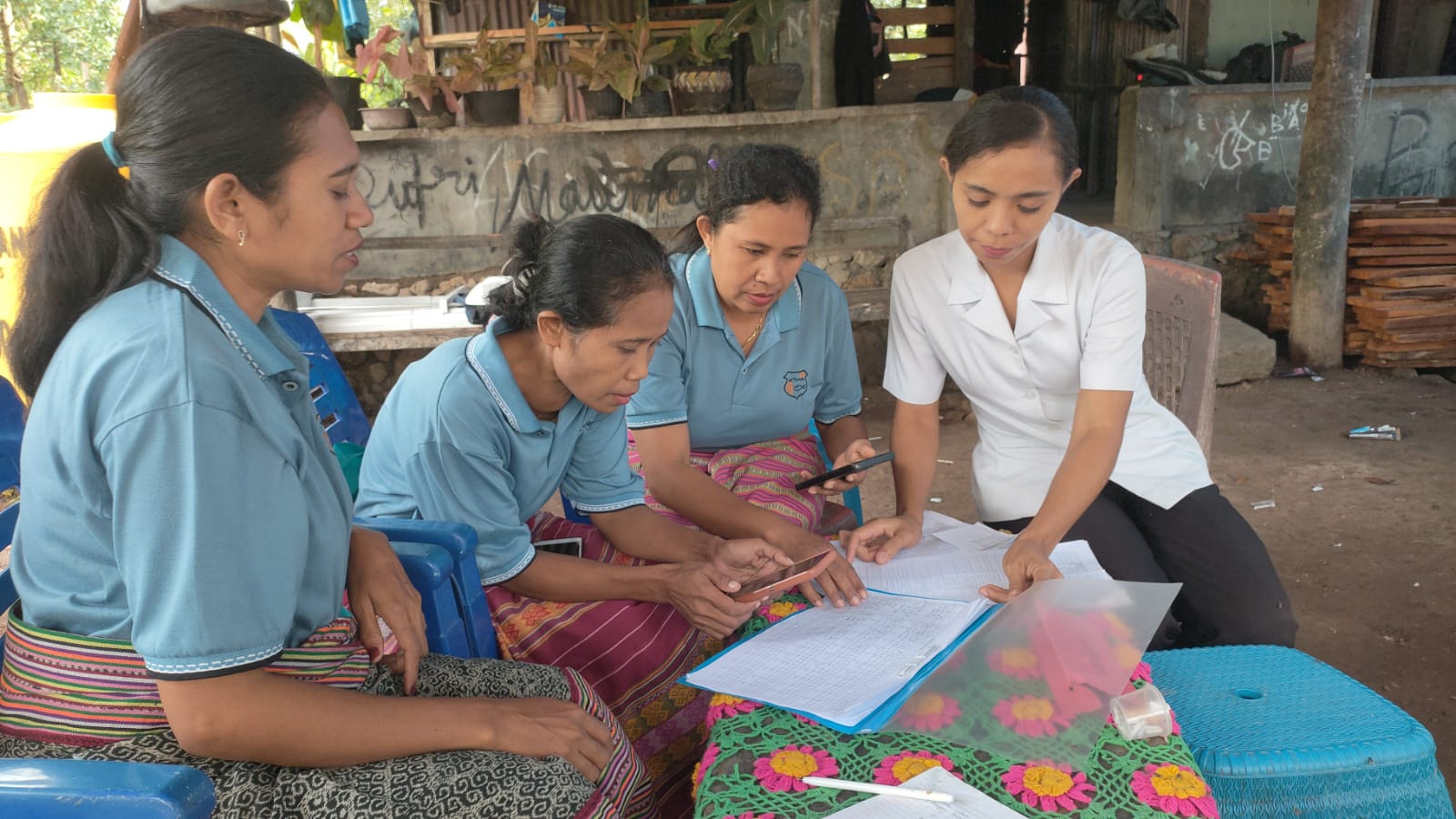
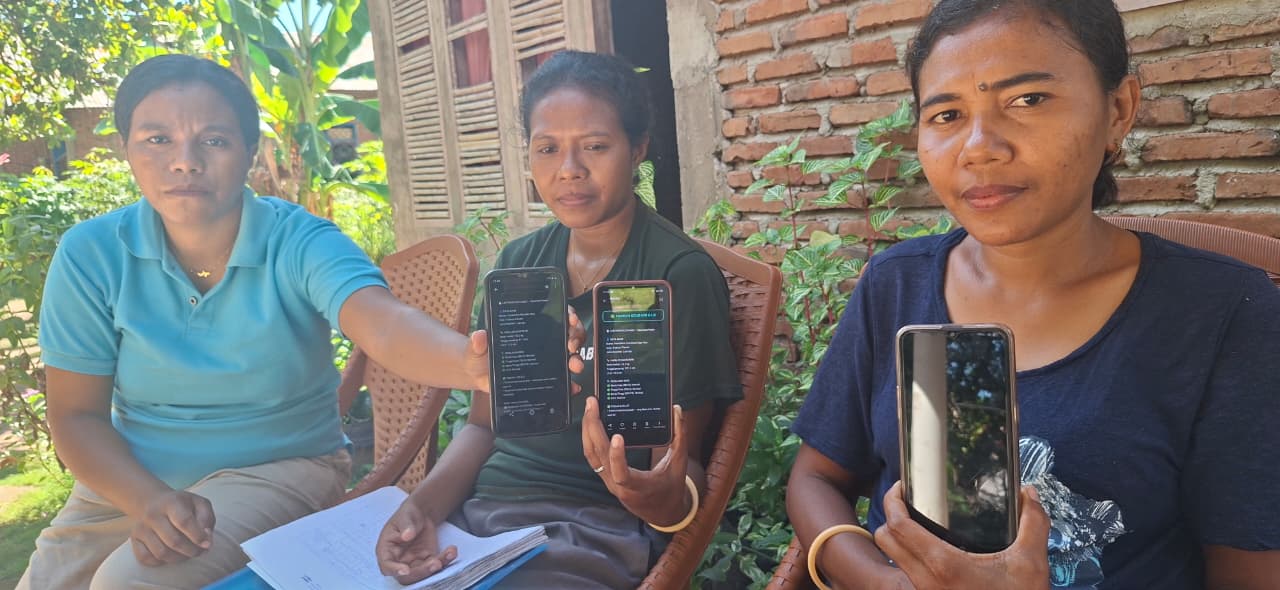
A Kader supporting a mother and child in a rural setting
What is SahAIbat?

SahAIbat is a simple, story-first way to support care decisions when time is limited and help is needed now. It’s not about fancy technology — it’s about calm guidance for real people.

Not built from North America — built with local reality

SahAIbat is designed to feel familiar. We respect language, culture, and how community care actually works — while staying grounded in global clinical safety thinking.

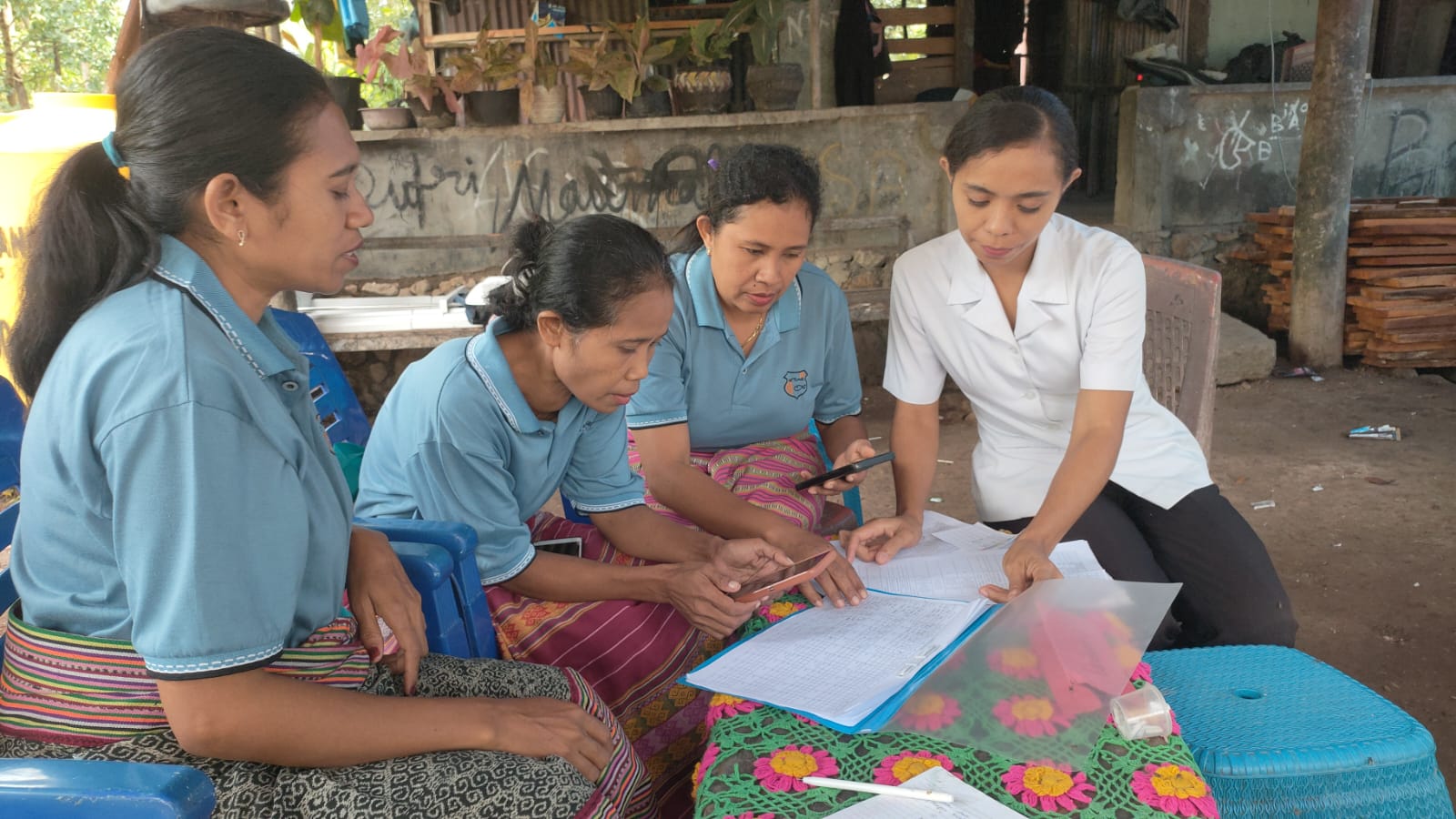
Community partnership discussion in a rural setting
Free — and built as a partner, not a vendor
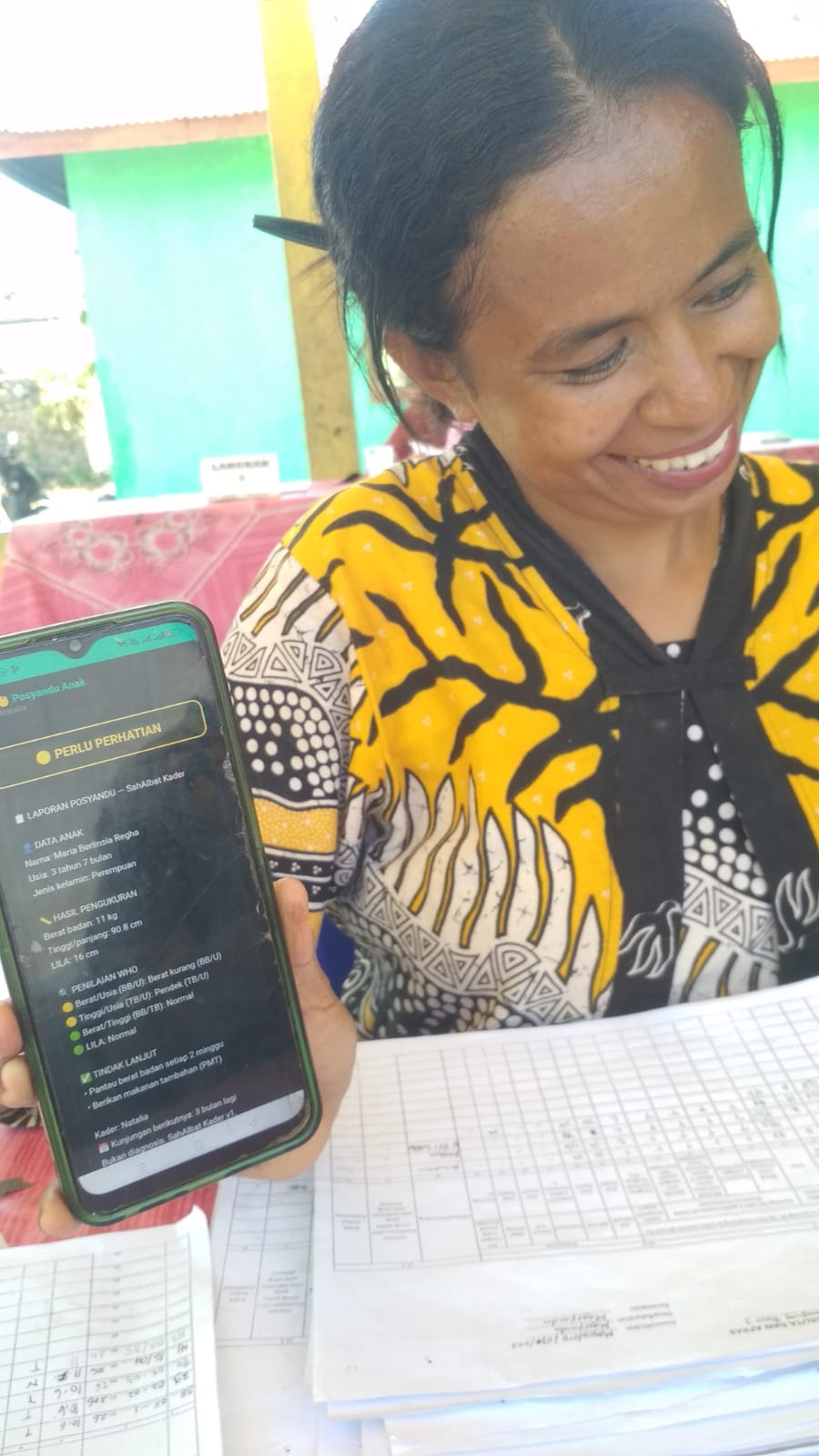
Nurse and doctor reviewing a clear summary
How it helps nurses and doctors
How it helps Kader (Community Health Workers)

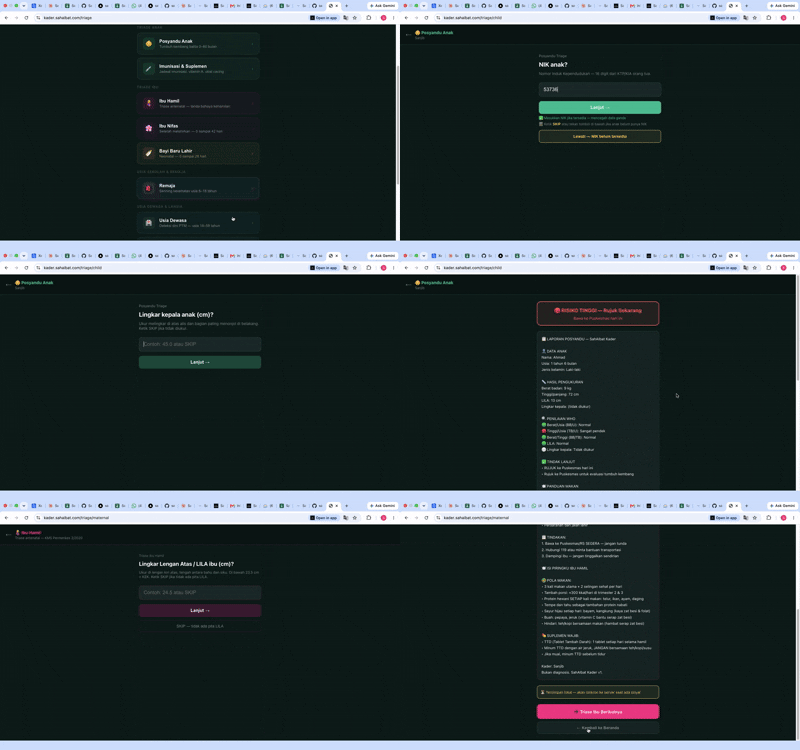
In a rural visit, a Kader shouldn’t have to guess what to ask next. SahAIbat helps gather the right information, notice danger signs early, and know when to escalate — with dignity and clarity.

Free — and built as a partner, not a vendor

Our goal is to build SahAIbat for the world. We work with NGOs as partners, adapting workflows to each community — not selling a one-size-fits-all product.

Why SahAIbat is different

Most digital triage tools are designed for hospitals, apps, or high-connectivity settings.

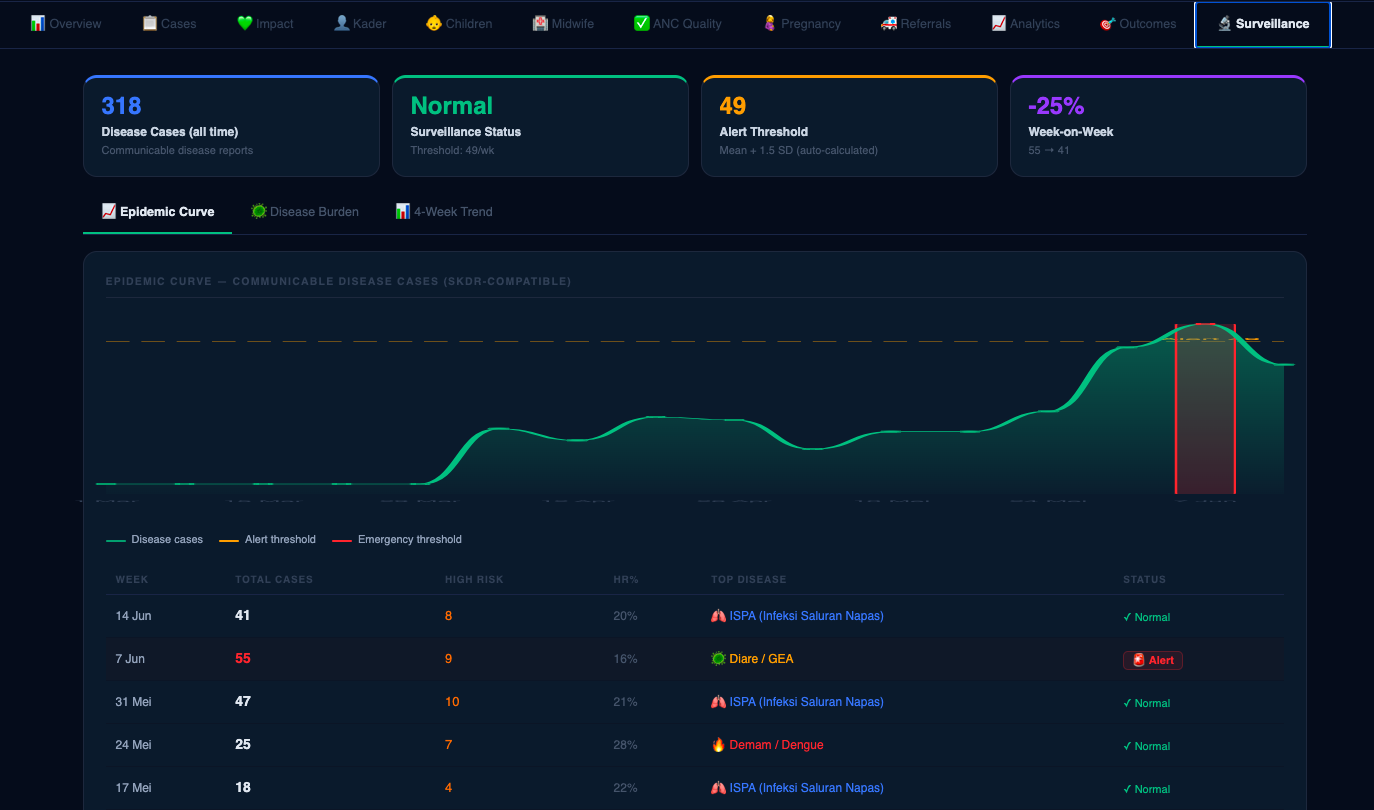
SahAIbat is designed for community-based care, where decisions are made in villages, small clinics, and often over WhatsApp — not dashboards.

Instead of trying to diagnose, SahAIbat focuses on safer decision timing:

  • what should be checked now
  • which signals should not be missed
  • and when care should be escalated

This makes SahAIbat easier to trust, easier to adopt, and safer to scale.

Supporting early triage — for communities and patients

SahAIbat supports early triage, not diagnosis.

Community health workers can use it to guide structured intake during visits.

Patients and families can also use SahAIbat to describe symptoms clearly and receive calm, non-diagnostic guidance — helping them decide when to seek care.

Every step is designed to support human judgment, not replace it.

What impact can this create?
More consistent triage in the field
Earlier escalation when danger signs appear
Better handoff between Kader and clinical reviewers
Clear reporting, ready to integrate

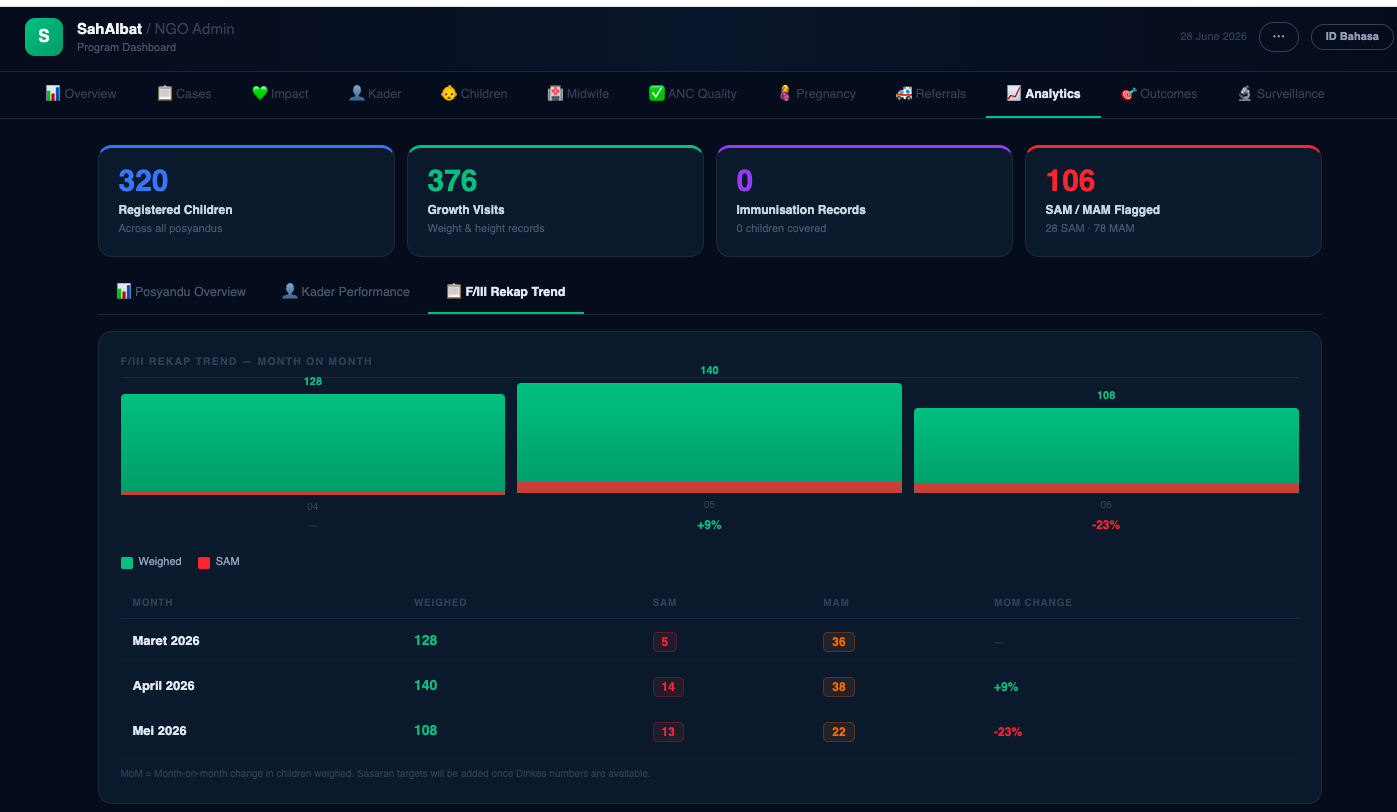
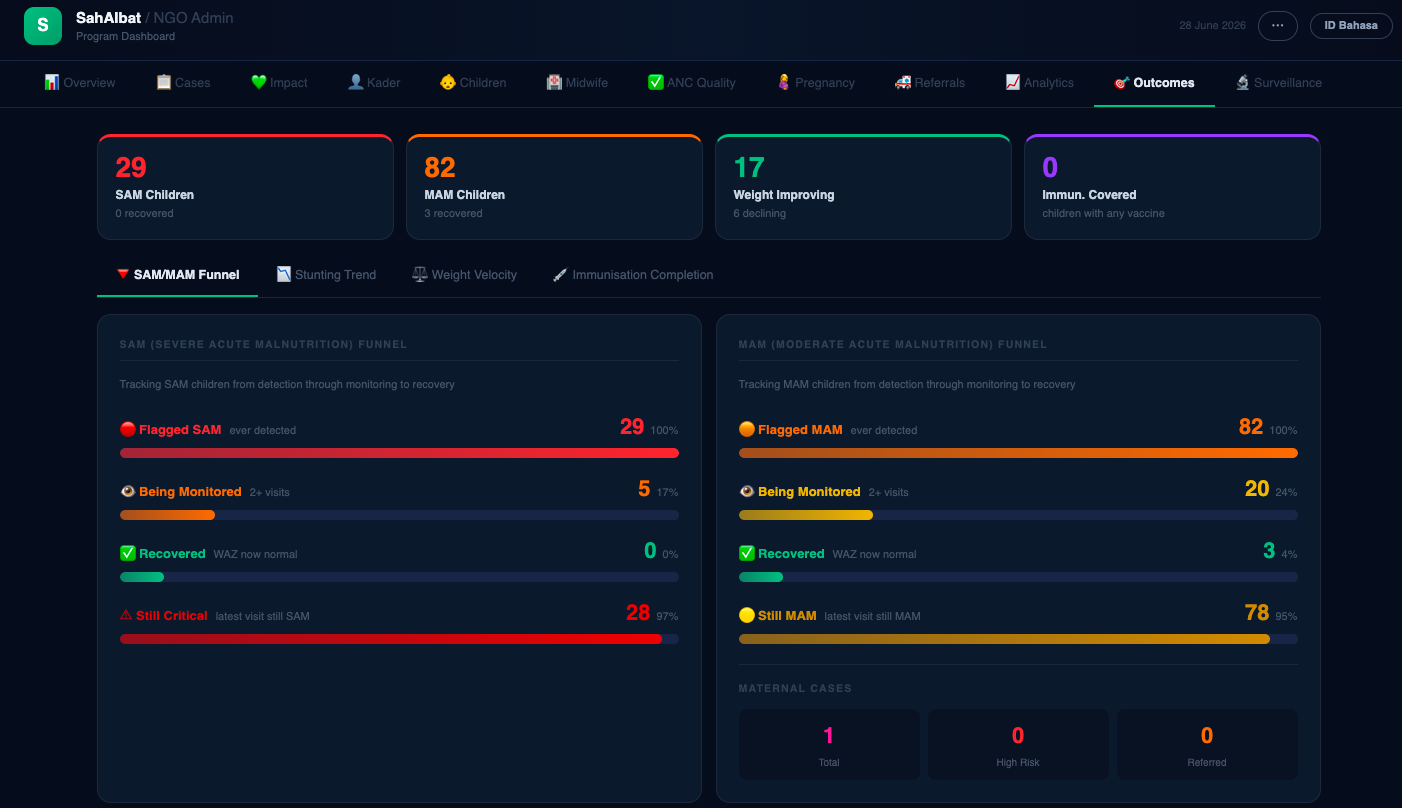
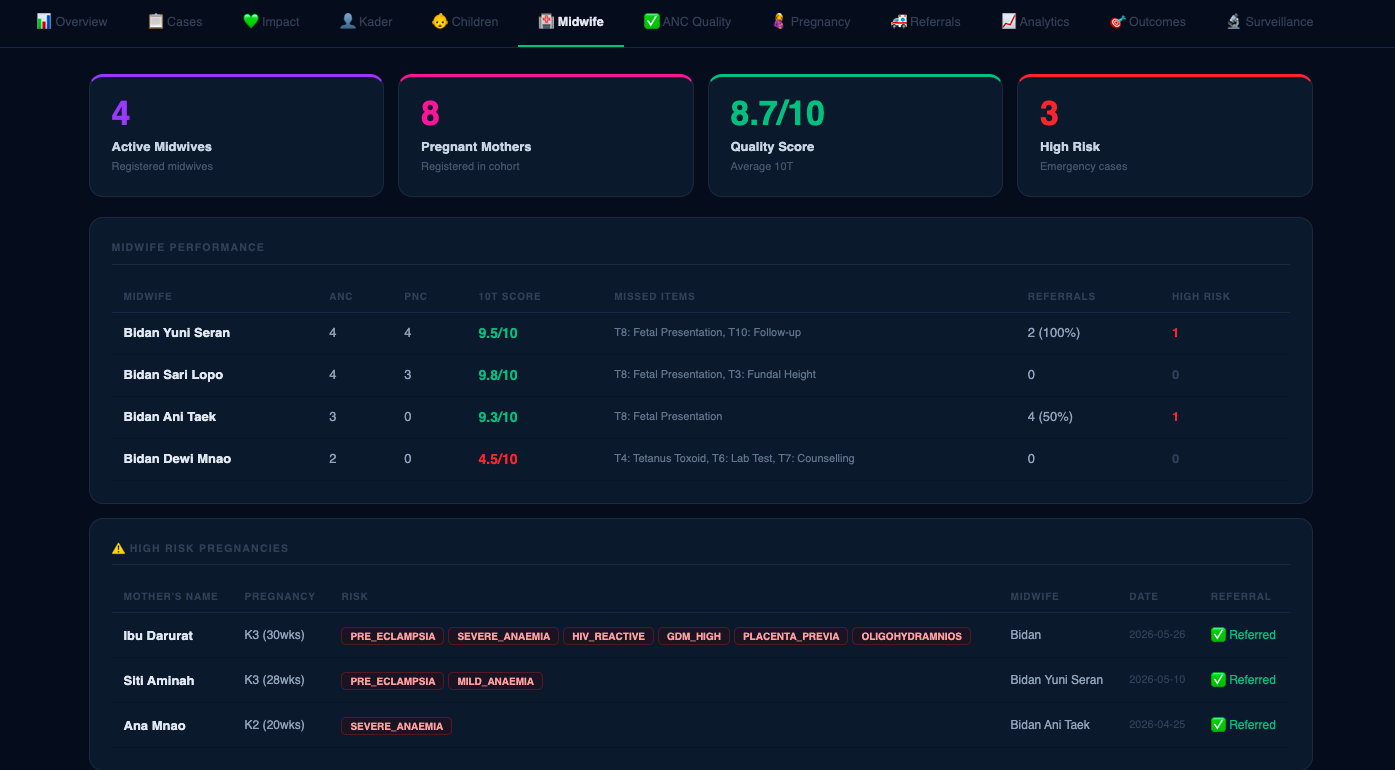
SahAIbat captures structured, anonymized insights that help programs understand what’s happening on the ground.

  • program monitoring and learning
  • reporting needs for partners and funders
  • future integration with partner or regulatory systems when required

The goal is not complexity — it’s clarity.

Designed for high-impact community health programs

SahAIbat is well suited for programs that rely on structured symptom assessment, including:

  • maternal & child health screening
  • fever, dengue, and infectious disease follow-up
  • TB and respiratory symptom screening
  • chronic condition awareness (NCDs)
  • general community health triage and referral support

The system can be adapted over time to align with local guidelines and program needs.

Built for programs working closest to the community

SahAIbat is especially valuable for organizations that:

  • support maternal & child health through community-based programs (Posyandu-style workflows)
  • operate rural clinics transitioning from paper-based workflows (Puskesmas-style settings)
  • coordinate community health worker networks already using WhatsApp
  • run TB, dengue, malaria, or chronic disease screening initiatives

These programs often carry the highest responsibility — and the least digital support. SahAIbat exists to bridge that gap.

SahAIbat

SahAIbat provides triage support and care guidance — not diagnosis, not emergency services.

A family walking together in a rural village at sunset